Races & Trail
50K Trail Plan: Complete Preparation in 16 Weeks
"*The **50K trail race** is one of the most demanding formats in trail running. Sitting halfway between the marathon and the ultra, it requires structured training, long technical runs, solid nutrition, and smart pacing. But it's also one of the most rewarding challenges a runner can experience.* In this guide, you'll learn how to prepare for your first or next 50K trail race, build the endurance and strength you need, avoid the most common mistakes, and cross the finish line with confidence.
StrideMatch TeamNovember 23, 20266 min Reading time
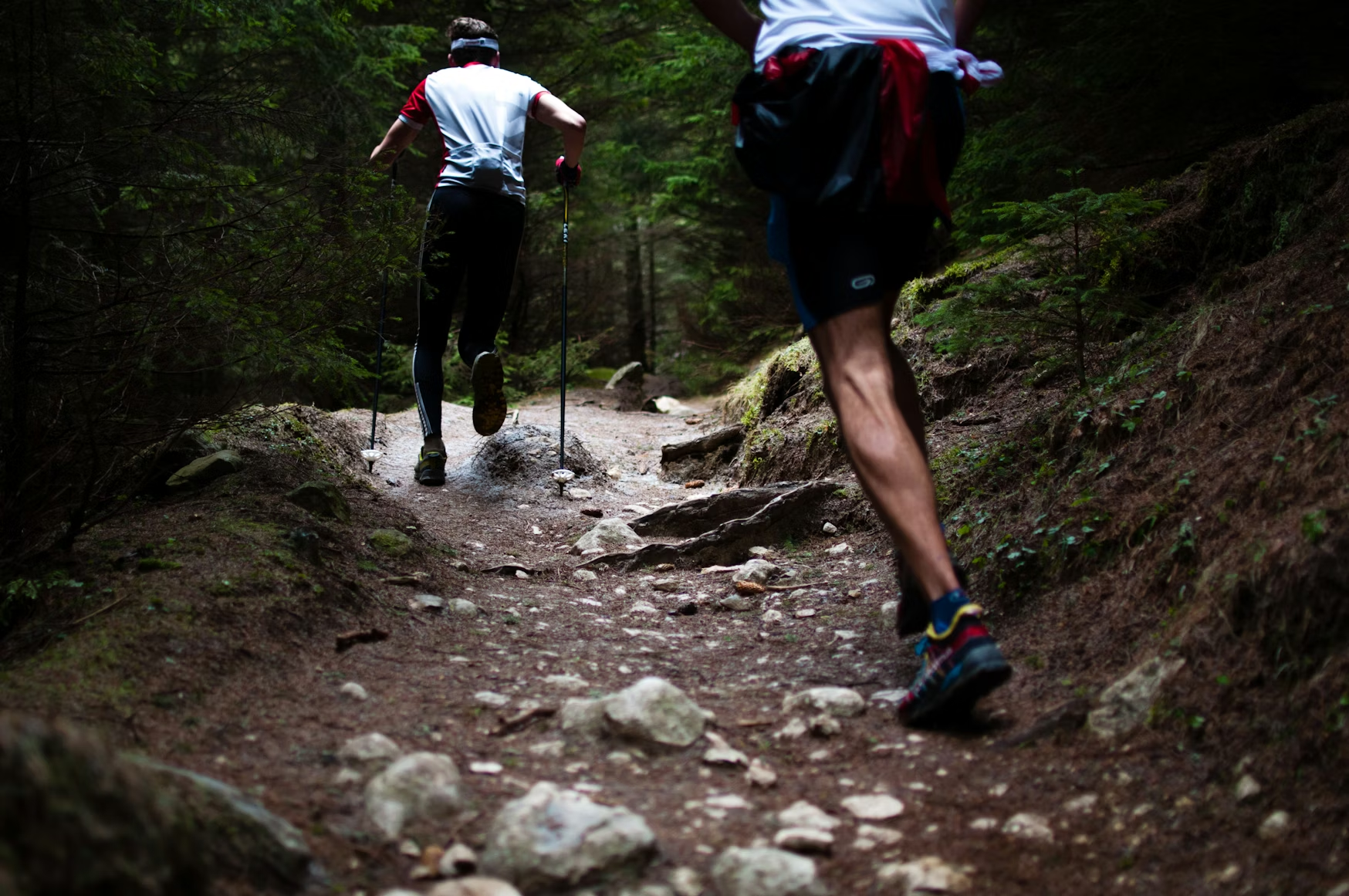
The 50K trail race is one of the most demanding formats in trail running. Sitting between the marathon and the ultra, it requires structured preparation, technical long runs, smart nutrition, and excellent pacing. But it's also one of the most rewarding endurance challenges you'll ever experience.
In this guide, you'll find a complete 16-week training plan for your first 50K trail race, along with key workouts, gear recommendations, nutrition strategies, and race-day tips.
What Makes a 50K Trail Race Unique?
A 50K trail race isn't simply a longer marathon.
Several factors make it a completely different challenge.
| Feature | Typical Characteristics |
|---|---|
| Distance | 50 km (31 miles), typically 5–8 hours |
| Elevation Gain | 1,500–3,000 m (4,900–9,800 ft), depending on the course |
| Terrain | Trails, singletrack, rocks, roots |
| Average Speed | Highly variable depending on terrain and experience |
| Muscular Demand | Full-body endurance over many hours |
| Nutrition | Essential throughout the race |
| Mandatory Gear | Required by most race organizers |
Prerequisites Before Training for a 50K Trail
A 50K trail race isn't designed for beginners.
Before committing, make sure you can answer yes to most of the following:
- You've been running consistently for at least two years.
- You've already completed at least one 30K trail race.
- You can comfortably complete a 25 km (15.5-mile) long run.
- You have 16 weeks available for structured training.
- You're currently injury-free.
If you've never raced on trails before, start with a 15–30 km event before moving up to the 50K distance.
For beginners, read our Paris Half Marathon 2028: Entry, Course and Training Plan first.
The 16-Week Training Plan
| Phase | Weeks | Objective | Target Weekly Volume |
|---|---|---|---|
| Trail Adaptation | 1–4 | Build aerobic fitness and trail skills | 40–55 km |
| Base Building | 5–9 | Increase mileage and elevation | 55–70 km |
| Race-Specific Training | 10–13 | Technical long runs and race pace | 60–80 km |
| Taper | 14–16 | Reduce fatigue and prepare mentally | Gradual reduction |
The Most Important Workouts
Short Hill Repeats
Once per week during the base-building phase.
Typical session:
- Warm up thoroughly.
- Run 10–12 climbs of 200–400 m at roughly 90% effort.
- Jog back down for recovery.
Total session time:
60–75 minutes
Downhill Training
Include one session every two weeks.
Purpose:
Condition your quadriceps for sustained downhill running.
Typical workout:
- 8–12 downhill repetitions
- Each lasting 200–500 m
- Focus on relaxed, controlled running
Total session:
50–60 minutes
Trail Race Pace Session
Once per week during the race-specific phase.
Example:
3 × 20 minutes at sustainable trail race effort
Recovery:
3 minutes easy jogging
Total duration:
80–90 minutes
Long Trail Run
The key workout of the entire training plan.
Ideally performed on terrain similar to your target race.
Long runs gradually increase from 18 km to 40 km, with progressively greater elevation gain.
Back-to-Back Long Runs
During the race-specific phase, include consecutive long runs on weekends.
Examples:
- 30 km Saturday + 20 km Sunday
- 35 km Saturday + 15 km Sunday
These sessions teach your body to perform on tired legs.
Long Run Progression
| Week | Long Run | Elevation Gain |
|---|---|---|
| 1–2 | 16–18 km | 300–400 m |
| 3–4 | 20–22 km | 400–500 m |
| 5 | 16 km (recovery week) | 300 m |
| 6–7 | 24–28 km | 500–700 m |
| 8 | 30 km (or 25 km + 15 km back-to-back) | 700–900 m |
| 9–10 | 32–35 km | 900–1,200 m |
| 11 | 20 km (recovery week) | 400 m |
| 12 | 38–40 km (key simulation run) | 1,500 m |
| 13 | 30 km | 700 m |
| 14 | 25 km | 500 m |
| 15 | 16 km easy | 300 m |
| 16 | Race Day – 50K | Race course |
Essential Gear for a 50K Trail Race
Hydration Vest
Recommended capacity:
8–12 liters
It should comfortably carry:
- Mandatory equipment
- Personal nutrition
- Two front soft flasks of at least 500 ml each
- Easily accessible pockets for gels and snacks
Trail Running Shoes
| Feature | Recommendation |
|---|---|
| Type | Comfortable all-around trail shoe |
| Lug depth | 4–5 mm |
| Drop | Similar to your regular road shoes |
| Cushioning | Generous for long distances |
| Rock protection | Highly recommended |
| Toe box | Spacious enough for foot swelling |
Common Mandatory Equipment
Most races require competitors to carry:
- Waterproof jacket
- Emergency blanket
- Whistle
- Fully charged mobile phone
- At least 1 liter of water
Always check the official race regulations.
Nutrition and Hydration
During a 5–8 hour race, nutrition becomes one of the biggest performance factors.
| Stage | Recommendation |
|---|---|
| Day-before breakfast | Balanced carbohydrate-rich meal |
| Race morning | High-carbohydrate breakfast 2–3 hours before the start |
| During the race | 60–80 g of carbohydrates per hour |
| Hydration | 500–700 ml per hour, increasing sodium intake in hot weather |
| Aid stations | Alternate gels, bars, fruit, and real food when appropriate |
Test Everything Before Race Day
Never try new nutrition during the race.
Every gel, drink, energy bar, and electrolyte product should already have been tested during your longest training runs.
This becomes especially important during the second half of the race, when stomach issues are much more likely.
Race Strategy
Start Conservatively
Going out too fast in a long trail race is even more costly than on the road.
Keep your effort deliberately easy during the first 10 km, even if you feel fresh.
Power-Hike the Steep Climbs
Once gradients exceed roughly 12–15%, walking often becomes more energy-efficient than running.
Saving glycogen early pays off later.
Eat and Drink Regularly
Consume small amounts every 25–30 minutes, even if you don't feel hungry.
Waiting until you're hungry usually means you're already behind.
Stay Focused on Descents
Many falls occur between kilometers 35 and 45, when fatigue reduces coordination.
Slow down if necessary.
Break the Race Into Sections
A 50K trail race is as much a mental challenge as a physical one.
Focus only on reaching:
- The next aid station.
- The next climb.
- The next summit.
Small goals make long races much easier to manage.
READY TO START YOUR 50K TRAIL JOURNEY?
Build Your Personalized 50K Trail Training Plan
Preparing for a 50K trail race requires a structured 16-week program. StrideMatch creates a personalized training plan that incorporates elevation gain, technical terrain, long runs, and recovery while recommending the trail running shoes best suited to your biomechanics, goals, and race conditions.
▸ Start My Personalized 50K Trail Plan
Related Articles
→ The Art of Transition: Moving from Road to Trail Through Biomechanics
→ Trail Running Safety: How to Deal with Livestock Guardian Dogs and Trail Hazards
→ Paris Marathon 2027: How Much Does It Really Cost?
→ Paris Marathon 2027: Date, Registration, Course and Practical Guide
→ EcoTrail Paris: How to Prepare for France's Iconic Urban Trail Race