Chaussures & Équipement
Cheaper Alternatives to the Asics Gel-Kayano 33 (2026)
Kayano 33 too pricey? Four cheaper stable shoes (GT-2000 15, Guide 19, Arahi 8, Cascadia 20) with specs, prices and who each one suits.
StrideMatch TeamNovember 1, 20266 min Reading time
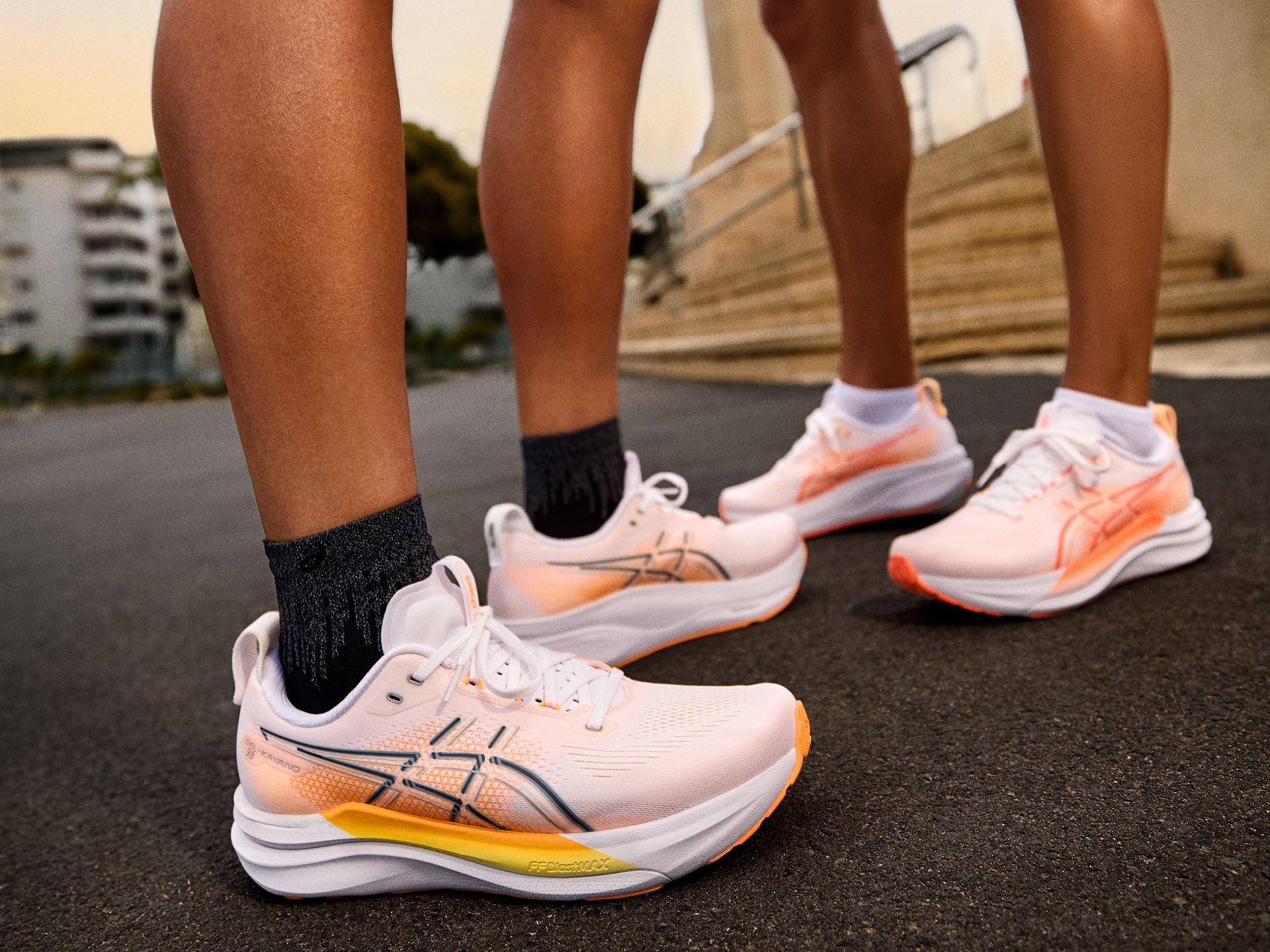
Short answer: the closest cheaper alternative to the Kayano 33 is the Asics GT-2000 15: same 8 mm drop, same main foam, about 1.7 oz lighter, for $150 instead of $170. Outside Asics, the Saucony Guide 19 ($140) and Hoka Arahi 8 ($150) are the best picks. For trails, look at the Brooks Cascadia 20.
What you actually pay for in a Kayano 33
Before you shop cheaper, know what the Kayano 33 does. Otherwise you may swap a stability shoe for a neutral one without realizing it.
• MSRP: $170.
• Weight: 10.5 oz (298 g) in a men’s US 9.
• Stack height: 39 mm heel, 31 mm forefoot (men’s). Drop: 8 mm.
• Foams: FF Blast Max on top, FF Blast Plus underneath, PureGEL in the heel.
• Stability: FluidSupport system. No hard medial post: support comes from a wide base, midsole geometry and different foam densities.
This is the softest Kayano yet, and its guidance is subtler than older versions. If you want moderate stability with plenty of cushion, several shoes come close for $20 to $30 less.
The 4 alternatives at a glance
| Model | MSRP | Weight (men’s US 9) | Drop | Support type |
|---|---|---|---|---|
| Asics Gel-Kayano 33 (benchmark) | $170 | 10.5 oz | 8 mm | Moderate, wide base + FluidSupport |
| Asics GT-2000 15 | $150 | 8.8 oz | 8 mm | Moderate, 3D Guidance System |
| Saucony Guide 19 | $140 | 9.7 oz | 6 mm | Mild, CenterPath (wide base, high sidewalls) |
| Hoka Arahi 8 | $150 | ≈ 9.1 oz | 8 mm | Mild to moderate, firmer-foam H-Frame |
| Brooks Cascadia 20 (trail) | $160 | ≈ 10.6 oz | 6 mm | Wide base, rock plate |
These are list prices. All of these models often drop 20 to 25% a few months after launch, which widens the gap.
Asics GT-2000 15: the “little Kayano”
This is the most logical swap. Same brand, same foam family (FF Blast Max), PureGEL in the heel, same 8 mm drop. The stack is a little lower (37 mm heel, 29 mm forefoot) and the shoe weighs 8.8 oz in a US 9, about 1.7 oz less than the Kayano.
Where it wins: lighter, livelier, with nearly the same level of support. For most runners it is the better everyday shoe of the two.
Where it loses: less cushioning on long runs, and a low toe box that can press on your toes if you have high-volume feet. Several testers suggest going half a size up if in doubt.
Who it’s for: Asics fans who need moderate stability and mostly run 3 to 12 miles. Available in wide (2E) and extra wide (4E) for men.
Saucony Guide 19: gentle stability
The Guide 19 has no medial post. Saucony uses a wide base, raised sidewalls and a mild rocker. It weighs 9.7 oz in a US 9, with a 35 mm heel and 29 mm forefoot, for a 6 mm drop. It is also the cheapest pick here at $140.
Where it wins: stable without feeling corrective, a roomy toe box, and a lower drop if you land closer to midfoot.
Where it loses: not very responsive, so it is a poor fit for faster paces. The thick toe bumper means you should wear socks.
Who it’s for: runners with mild stability needs, beginners, easy days and walking.
Hoka Arahi 8: support without the weight
The Arahi 8 replaces the old J-Frame with an H-Frame of firmer foam on both sides of the foot. It weighs around 9.1 oz in a US 9, with an 8 mm drop, and it is wider and roomier than the Arahi 7.
Where it wins: light for its cushion, a forefoot rocker that smooths toe-off, and more forefoot room. Available in wide and extra wide.
Where it loses: the upper runs warm on long runs, wet grip is average, and its standard EVA foam feels less lively than FF Blast Max.
Who it’s for: runners with normal to wide feet who want mild to moderate support at easy paces. Not sure about Hoka sizing? Read our Hoka sizing guide.
What about trail? The Brooks Cascadia 20
There are almost no trail shoes with road-style anti-pronation systems. On trails, stability comes from a wide base, a moderate stack and good grip. The Cascadia 20 delivers: 38 mm heel, 32 mm forefoot, 6 mm drop, about 10.6 oz in a US 9, a Vibram Megagrip outsole and Brooks’ Trail Adapt system with a rock plate.
Where it loses: a narrower forefoot than the Cascadia 19, and a flat heel with no rocker. A wide version is available.
Who it’s for: Kayano runners who want a reassuring trail shoe for long days, not a soft, wobbly one.
Which one should replace your Kayano 33?
• You love the Kayano and want the same thing, lighter: GT-2000 15.
• You need light support and want a lower drop: Saucony Guide 19.
• You have wide feet and want mild support: Hoka Arahi 8.
• You run trails: Brooks Cascadia 20.
• You really want Kayano cushioning: look for the Kayano 32 on closeout. Some testers prefer it to the 33 for its firmer support.
Torn between two of these? The StrideMatch shoe finder puts them side by side. For more budget swaps, see our cheaper alternatives to the Hoka Clifton 11.
FAQ
What is the difference between the Kayano 33 and the GT-2000 15? The Kayano has more cushion, two foam layers and weighs about 1.7 oz more. The GT-2000 15 is lighter and livelier with similar support, for $20 less.
Can a neutral shoe replace a Kayano? Sometimes. If you have never had pain in neutral shoes, mild stability is often enough. If you have knee, shin or arch pain, see a podiatrist before switching categories.
Does the Kayano 33 run true to size? Yes, in length. The toe box tapers a little, so go up half a size if you are between sizes. The StrideMatch size converter gives you your Asics size from your current brand.
Can you run trails in a Kayano? On dry, smooth paths, yes. On mud or technical terrain its road outsole lacks grip. On trails, look for a wide base and good grip, like the Brooks Cascadia 20.
The right shoe depends on your stride, not just the price. Take the free StrideMatch test to find how much support you need, or compare these models side by side.