Shoes & Gear
Why the Old 'Golden Rules' on Shoe Wear No Longer Hold
"*The running shoe industry has undergone a technological revolution, making many long-standing guidelines on shoe lifespan outdated. The traditional recommendation to replace running shoes every **500 to 800 kilometers**, based largely on research from the mid-1980s, is now widely considered obsolete by many experts.* *In this guide, you'll discover how modern running shoes actually wear over time, why mileage alone is no longer a reliable indicator, and the key signs that tell you it's truly time to replace your shoes.*"
StrideMatch TeamSeptember 2, 20263 min Reading time
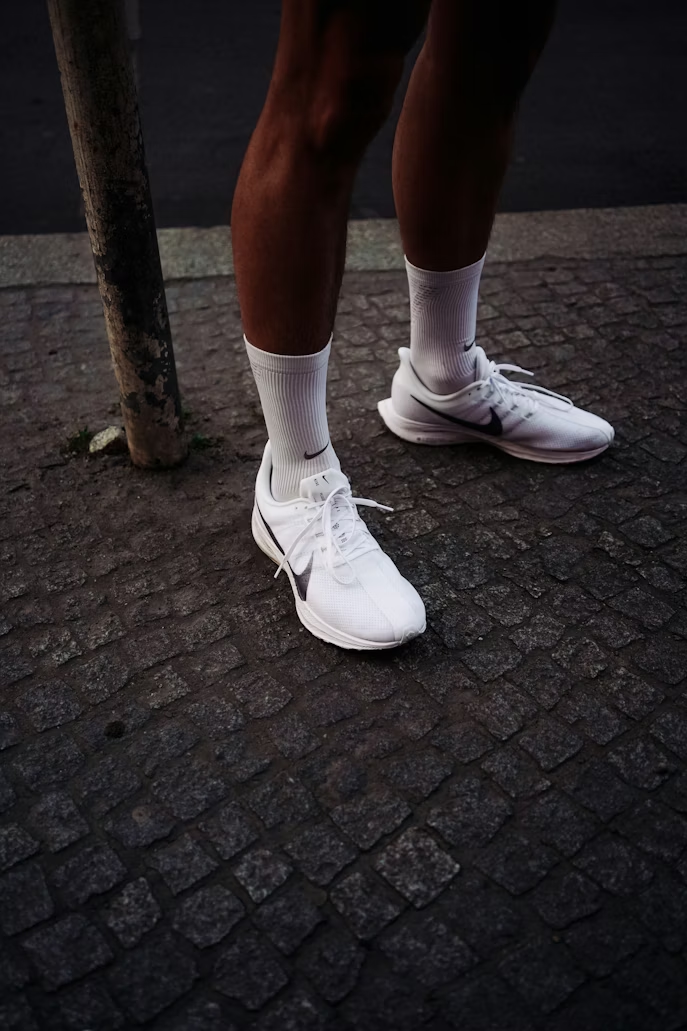
The running shoe industry has undergone such a dramatic technological transformation that traditional guidelines for shoe lifespan are no longer as reliable as they once were. The long-standing recommendation to replace running shoes every 500 to 800 kilometers, based largely on research from the mid-1980s, is now considered outdated by many footwear experts and sports scientists.
1. Modern Foams Last Far Longer
Compared with traditional EVA foam, which tended to compress and lose its cushioning relatively quickly, today's advanced midsole materials have completely redefined durability.
Premium Foams
Materials such as PEBA—commonly found in modern super shoes—and nitrogen-infused supercritical foams retain their resilience and energy return for much longer.
Extended Lifespan
Several studies suggest these modern foams can maintain their cushioning and protective properties well beyond 1,000 km, whereas older EVA-based shoes often felt noticeably "flat" long before that.
Testing conducted on NNormal shoes even found that most participants accumulated 800 to 1,400 km before considering their shoes to have reached the end of their useful life.
2. Performance and Protection Are No Longer the Same Thing
One of the biggest discoveries in recent years is that a running shoe can lose its performance benefits while still providing excellent protection.
Reduced Energy Return
For carbon-plated racing shoes, the famous "spring effect" and improvements in running economy often begin to diminish after roughly 450 km.
At that point, the shoe may no longer deliver its maximum racing advantage.
A Second Life as a Daily Trainer
Even after losing some of their racing performance, worn super shoes frequently remain more responsive than many brand-new traditional training shoes.
Rather than discarding them, many runners simply retire them from racing and continue using them as daily trainers for easy runs, where cushioning and protection remain excellent despite reduced energy return.
3. Your "Runprint": Why Mileage Alone Isn't Enough
Shoe wear isn't determined solely by distance.
It also depends on your unique running signature, sometimes referred to as your runprint.
Body Weight and Running Style
Heavier runners compress the midsole more with every step.
Similarly, runners with a pronounced heel strike typically wear through cushioning faster than runners with a lighter, more efficient landing pattern.
Running Surface
Road running places the greatest stress on shoe materials.
By comparison, softer trail surfaces often reduce midsole compression, potentially extending the life of the cushioning.
However, mud and moisture may cause the upper to deteriorate sooner.
Biomechanics
Pronounced overpronation or supination creates uneven wear patterns.
A shoe can become unstable and potentially unsafe because of asymmetric wear, even if the midsole foam itself still performs well.
The Real Signs That It's Time to Replace Your Shoes
Instead of relying exclusively on the mileage displayed in your running app, pay attention to both biofeedback and visual inspection.
Listen to Your Body
It may be time for a new pair if you notice:
- Your shoes suddenly feel "dead."
- New or unusual joint pain.
- Increased muscle soreness after routine runs.
- A noticeable decline in comfort despite unchanged training.
Inspect the Outsole
Check the rubber outsole regularly.
If the rubber has worn away enough to expose the midsole foam, grip and structural support are likely compromised.
On the other hand, visible creases or wrinkles in modern foams are not necessarily a sign of wear. Many of today's advanced materials develop compression lines after only a few runs while continuing to provide excellent cushioning and performance.