Races & Trail
Trail Safety: Dealing with Guardian Dogs and Obstacles
Trail running in the great outdoors offers incredible freedom, but it also comes with unique challenges from encounters with livestock and wildlife to navigating steep, technical terrain. Staying safe isn't just about having the right gear; it also depends on remaining calm, making good decisions, and adapting your running technique to the environment. In this guide, you'll learn how to handle common situations you may encounter on the trail, improve your running technique on technical terrain, and enjoy your adventures safely and confidently.
StrideMatch Team21 août 20263 min Temps de lecture
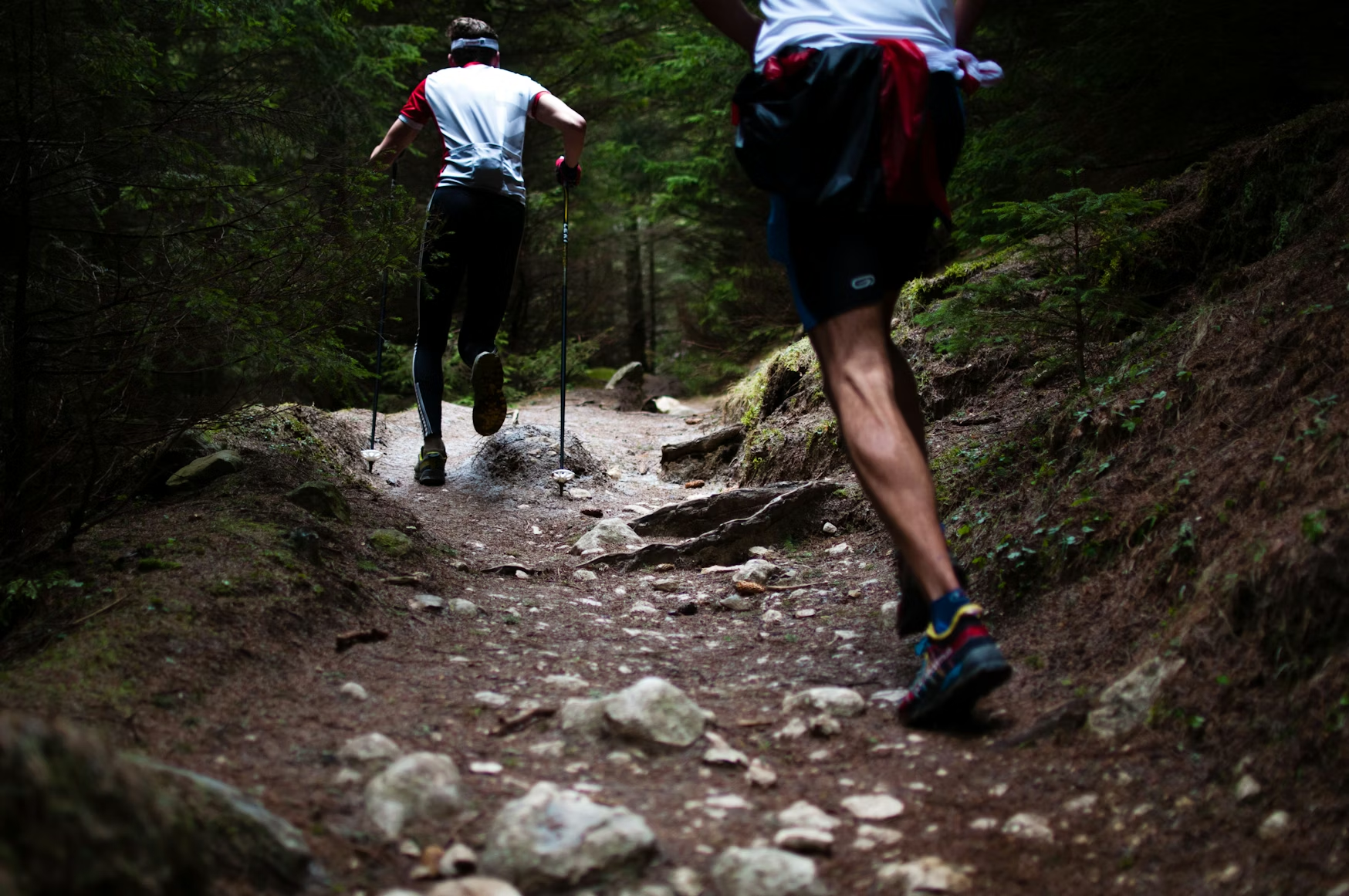
Trail running takes you into beautiful natural environments, but it also exposes you to unexpected situations—from encounters with livestock guardian dogs to navigating technical terrain. Staying safe depends on more than just your equipment; it requires calm decision-making, good trail awareness, and solid running technique.
1. Encountering Livestock Guardian Dogs (Patous)
Livestock guardian dogs, commonly known as Patous, are trained to protect sheep and other grazing animals. They may perceive approaching runners as potential threats.
Prevention
If you spot a flock ahead, give it a wide berth whenever possible.
Avoid running directly through grazing areas if an alternative route exists.
If a Dog Approaches
Stop running immediately and remain calm.
Do not:
- Shout.
- Make sudden movements.
- Wave your arms.
If you're wearing sunglasses, remove them so your eyes remain visible, but avoid making prolonged direct eye contact with the dog.
Creating Distance
Speak calmly in a reassuring voice while slowly backing away.
Never turn your back or run.
If the dog continues approaching aggressively, place a natural obstacle—such as a tree, large rock, or even your backpack—between yourself and the animal. Keep your backpack on if possible to help protect your back.
As a Last Resort
If you're knocked to the ground:
- Curl into the fetal position.
- Protect your head and neck with your arms.
- Remain as still as possible until the dog disengages.
2. Looking Ahead: The Key to Safe Trail Running
Technical trail running starts with proper vision.
Look Several Meters Ahead
Rather than staring at your feet, focus 2–3 meters (6–10 feet) ahead.
This helps you:
- Spot roots and rocks early.
- Choose smoother lines.
- Maintain a more consistent pace.
Adopt the Right Running Technique
Use a stride that is:
- Short.
- Quick.
- Light.
Aim for a brief ground contact time and a midfoot landing whenever possible.
This improves balance and allows you to react quickly to uneven terrain while reducing the risk of ankle sprains.
3. Handling Water, Mud and Slippery Terrain
Trail conditions can change rapidly, so adapting your technique is essential.
Stream Crossings
Before crossing:
- Assess the water depth.
- Evaluate the strength of the current.
If the current is strong, use your trekking poles for additional stability.
Many experienced trail runners simply keep their shoes on, as modern trail shoes drain water quickly.
Running Through Mud
Accept muddy sections rather than trying to jump over every puddle.
Constantly avoiding mud wastes energy and increases the risk of awkward landings.
Although soft ground places less stress on your joints, it requires stable footing and controlled movements.
Slippery Sections
The most common mistake is becoming tense.
Instead:
- Exhale to stay relaxed.
- Keep your momentum moving smoothly forward.
- Stay light on your feet.
A relaxed, fluid running style generally provides better grip and balance on slippery surfaces.
Final Thoughts
Trail running safety isn't determined solely by your gear—it's your ability to stay calm, read the terrain, and adapt to changing conditions that makes the biggest difference.
Planning your route in advance also helps. Apps such as WaffApp can identify grazing areas where livestock guardian dogs may be present, allowing you to anticipate potential encounters before you head out.
Trouver vos chaussures idéales
Passez le quiz pour découvrir notre sélection sur mesure.