Chaussures & Équipement
Best Running Shoes for High Arches: What to Look For
High arches? How to check your arch, what to look for in a running shoe and four well-cushioned neutral models worth trying.
StrideMatch TeamNovember 9, 20266 min Reading time
Short answer: For high arches, look for a neutral, well-cushioned running shoe with enough room over the top of your foot. Skip stability shoes unless a gait assessment says you need one: they correct a motion your foot barely makes. If your feet hurt, see a podiatrist before switching shoes.
What are high arches?
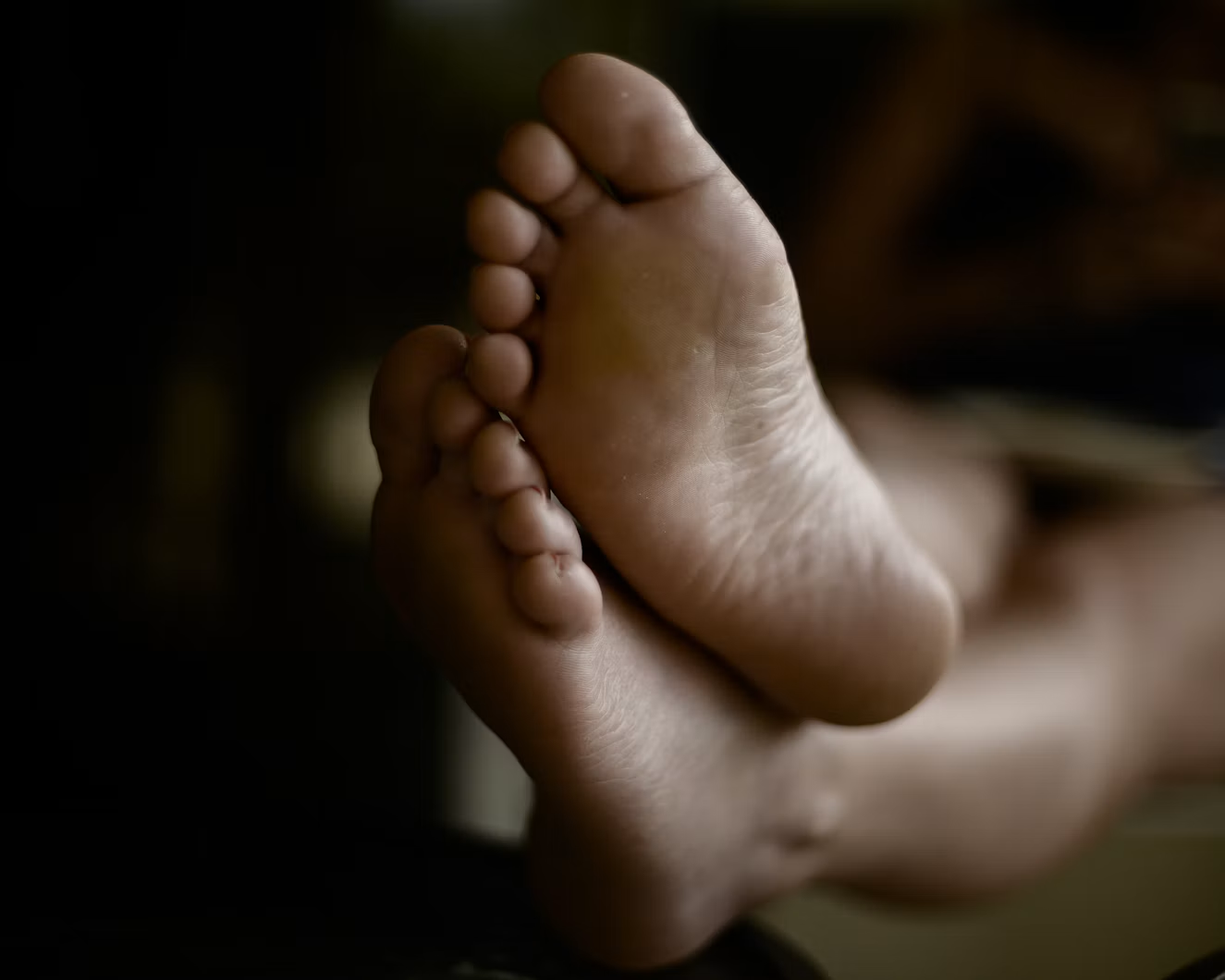
High arches (pes cavus, or cavus foot) mean your arch sits higher than average. When you stand, the middle of your foot barely touches the ground, so your weight goes onto your heel and the ball of your foot.
Key facts:
• They are fairly common. Studies report anywhere from 2% to 29% of adults, with population-based studies around 10%.
• They often come with other signs. A high instep, slightly clawed toes, calluses under the ball of the foot or the heel.
• They tend to be rigid. A high-arched foot flexes less on impact, so it absorbs shock less well than an average arch.
High arches can simply be how you are built. But an arch that gets higher over time, on one side only, or with leg weakness should be checked by a doctor: in some cases the cause is neurological.
The wet foot test
This is the simplest way to get an idea of your arch type.
1. Wet the sole of your foot.
2. Stand normally on a piece of cardboard or a dark, dry floor.
3. Look at the print.
| Footprint | What it suggests |
|---|---|
| Wide middle band, almost the whole sole shows | Low arch (flat feet) |
| Middle band about half the width of your foot | Medium arch |
| Very thin or missing middle band, heel and forefoot separated | High arch |
This test has limits. It shows your arch shape at rest, not what your foot does when you run. Fat padding and how you stand also change the result. Use it as a hint, not a diagnosis.
What research says
Research on high arches and running is limited. Here is what comes up most often:
• More impact passed up the leg. A high-arched foot is stiffer and lets more impact force travel to the ankle, shin and knee.
• Different injuries, not necessarily more. A study comparing runners with very high and very low arches found similar total injury counts. High-arched runners had more bony and outer-leg injuries (stress fractures, shin pain), flat-footed runners more soft-tissue injuries.
• Matching shoes to your footprint is not enough. In large military studies, assigning shoes based on footprint shape did not reduce injuries.
• Custom orthotics help when feet hurt. A controlled trial of 154 adults with painful high arches found that custom foot orthoses reduced pain compared with sham insoles, by spreading pressure more evenly under the foot.
In practice: aim for a shoe that cushions well and feels comfortable. How a shoe feels when you try it on remains one of the best filters.
What to look for
| Feature | Why | What to look for |
|---|---|---|
| Neutral shoe | Your foot usually pronates little. Strong stability features can push it further outward | Neutral model, no anti-pronation posts or guides |
| Generous cushioning | Makes up for your foot’s low natural shock absorption | Thick foam under both heel and forefoot |
| Not too mushy | Foam that bottoms out tires you and feels unstable | Protective cushioning rather than sink-in softness |
| Instep room | Laces press on a high instep | Padded tongue, soft upper, enough volume |
| Nothing poking the arch | A misplaced arch bump can hurt | Neutral insole, always try before you buy |
There is no drop rule specific to high arches. If you land on your forefoot or midfoot, a moderate drop (under 10 mm) often feels more natural. If you land on your heel, 8 to 10 mm works well.
Four well-cushioned neutral shoes to try
These models show up in leading test sites’ picks for high arches or for neutral runners who want cushioning. Weights are for a men’s US 9.
| Model | Weight | Stack (heel / forefoot) | Drop | MSRP |
|---|---|---|---|---|
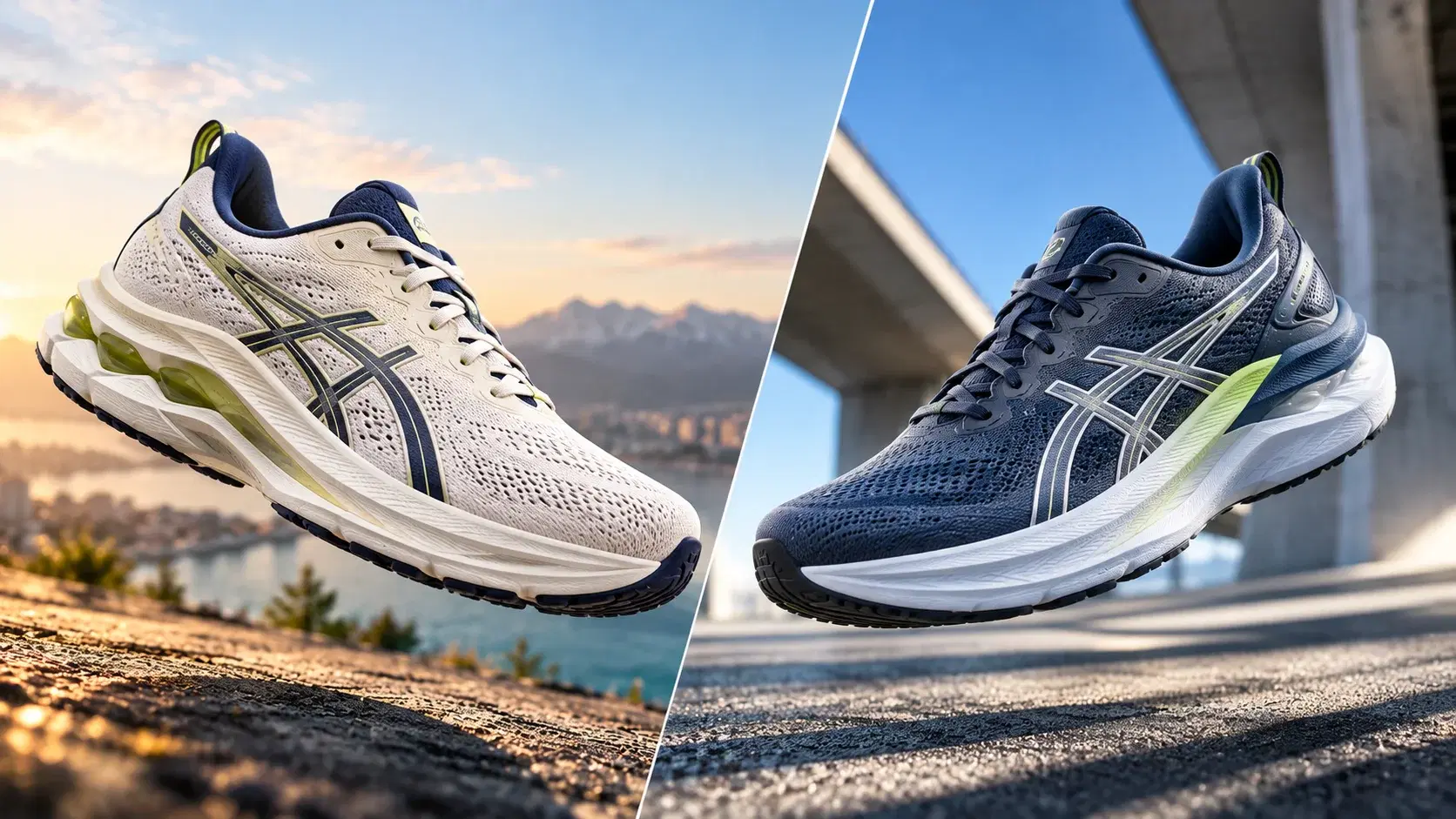
| ASICS Novablast 6 | 8.8 oz (249 g) | 41.5 / 33.5 mm | 8 mm | $155 |
| Saucony Ride 19 | about 9.0 oz (255 g) | 38 / 30 mm | 8 mm | $145 |
| ASICS Gel-Nimbus 28 | about 9.7 oz (275 g) | 43.5 / 35.5 mm | 8 mm | $170 |
| Brooks Ghost 18 | 10.2 oz (289 g) | 36 / 26 mm | 10 mm | $150 |
• ASICS Novablast 6. Lots of cushioning for its weight, with a lively ride. The toe box tapers at the front, so try it on if you have wide feet.
• Saucony Ride 19. A reliable daily trainer with a wide base and a rocker shape. Volume under the tongue is a bit low, so check comfort if your instep is very high. Available in wide.
• ASICS Gel-Nimbus 28. The highest stack here, for long runs and runners who want maximum protection. The thin, stretchy tongue can press on the instep, so do not over-tighten your laces.
• Brooks Ghost 18. More traditional and slightly firmer, with a 10 mm drop that suits heel strikers. Available in narrow, wide and extra-wide. The heaviest of the four.
To see them side by side, use the StrideMatch shoe comparison tool.
Lacing and sizing with high arches
• Window lacing. If the top of your foot hurts, skip the eyelet over the pressure point. This leaves a lace-free gap right where it hurts.
• Sizing. A high-arched foot often measures shorter than it really is. Measure standing, with your weight on it, to your longest toe, then follow our running shoe size guide. Toe shape matters too: see our guide to foot shape types and running shoes.
When to see a podiatrist
See a podiatrist or doctor if:
• you have lasting pain under your heel, under the ball of your foot or on the outside of your ankle;
• you roll your ankle often;
• your toes are clawing or painful calluses appear;
• your arch has become higher recently, on one side only, or alongside leg weakness.
A podiatrist can assess your foot in motion and, if needed, prescribe custom orthotics. A shoe does not replace that assessment.
FAQ
Do high arches need stability shoes? Usually not. High-arched feet tend to pronate little. A well-cushioned neutral shoe is the starting point. Only a gait assessment should change that.
Do orthotics help with high arches? Custom orthotics have reduced pain in people with painful high arches. They should be prescribed after a podiatrist’s assessment, not bought at random.
Is the softest shoe the best choice? Not necessarily. Very soft foam can bottom out, tire you and feel unstable. Look for thick cushioning that still feels stable.
Do high arches increase injury risk? Studies do not clearly show more injuries overall. They mostly suggest different injuries, more often bony ones. Gradual training and good cushioning remain your best tools.
The right shoe also depends on how you train. Take the free StrideMatch test to get shoes matched to your profile, or compare two models side by side.